Avoid Crashes with Smart Drone Flight Safety Steps
Published: 25 Dec 2025
Drone flight safety is the first rule every smart drone pilot must follow. Even the best drone can crash if safety steps are ignored. Drone flight safety helps protect your drone, people, and property around you. It keeps flights smooth and stress-free. For example, checking the battery before takeoff can stop sudden drops mid-air. Watching wind speed helps avoid loss of control. Drone flight safety also builds confidence, especially for beginners. When you follow clear safety steps, your drone
flies better and lasts longer. Why risk damage when simple habits can keep every flight safe and controlled.
Protecting Your Drone From Accidents
Every drone pilot knows that accidents can be costly. Taking simple precautions before each flight can save your drone from damage and extend its life.
Pre-Flight Battery Check : Always make sure the battery is fully charged and in good condition. Low power mid-flight can cause sudden drops or a loss of control.
Propeller Inspection : Check all propellers for cracks or wear. Damaged propellers can break during flight, leading to crashes.
GPS and Signal Check : Ensure your drone has a stable GPS connection and strong controller signal. Weak signals can cause drift or flyaways.
Calibration and System Test : Calibrate the compass and run system diagnostics before takeoff. This ensures all sensors and safety features are working properly.
How Drone Obstacle Avoidance Sensors Help
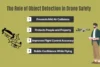
Modern drones use obstacle avoidance sensors to prevent accidents and make flying easier. These sensors act like the drone’s eyes, helping it detect and avoid objects in its path.
Detecting Nearby Objects : Sensors like infrared, ultrasonic, and vision cameras identify trees, walls, poles, and other obstacles in real time.
Automatic Avoidance : When an obstacle is detected, the drone can slow down, stop, or change direction automatically, reducing the risk of collisions.
Safer Flights for Everyone : These sensors help beginners gain confidence and allow professionals to focus on capturing smooth shots without worrying about crashes.
Improved Navigation in Tight Spaces : Drones can fly in narrow areas, like between trees or around buildings, safely thanks to these sensors.
Drone Safety Features That Prevent Mishaps
Modern drones come with built-in drone safety features that protect both the pilot and the drone. These tools help reduce mistakes and make flights more reliable.
Auto-Stop Function : If the drone detects an obstacle or sudden movement, it can automatically stop or hover in place, preventing collisions.
Return-to-Home (RTH) : This feature brings the drone back to its takeoff point automatically if the battery is low or the signal is lost, preventing flyaways.
Altitude Limits : Pilots can set maximum flight heights to avoid hitting trees, buildings, or restricted airspaces.
Geofencing : Some drones restrict flight in dangerous or no-fly zones, reducing the risk of accidents and legal issues.
Speed Limits and Flight Modes : Adjustable speed and beginner modes make controlling the drone easier, especially for new pilots.
Sensors That Help Drones Fly Safely
Modern drones rely on integrated sensors that help drones fly safely to navigate complex environments. From avoiding obstacles to maintaining altitude and orientation, these sensors provide the critical data needed to keep both the drone and people nearby safe.
Vision Sensors : Cameras detect objects and surfaces in the drone’s path. They help the drone see obstacles like trees, walls, or poles.
Infrared Sensors : These sensors measure heat and detect nearby objects even in low light. They are useful for avoiding collisions during dusk or shaded areas.
Ultrasonic Sensors : They use sound waves to measure distance from the ground or obstacles. This helps maintain stable flight near surfaces.
Working Together for Safety : By combining readings from all sensors, the drone can adjust speed, direction, or altitude to avoid crashes.
Example in Action : Flying through tight spaces, like between trees or narrow alleys, becomes safer because sensors guide the drone around obstacles automatically.
Protecting People and Property
Flying a drone comes with responsibility. Accidents can hurt people nearby or damage property. Taking precautions and using smart technology keeps everyone safe.
Avoiding Bystander Injuries : Keep drones away from crowds, pets, and friends. Sensors help detect people and stop collisions automatically.
Preventing Property Damage : Obstacles like cars, houses, or fences can be damaged during uncontrolled flights. Obstacle avoidance sensors reduce this risk.
Combining Skills With Technology : Pilot awareness, pre-flight checks, and safety features like auto-stop and return-to-home work together to prevent accidents.
Planning Safe Flight Paths : Flying in open spaces or mapping your route before takeoff reduces the chance of hitting anything unexpectedly.
Building Confidence in Every Flight
Flying a drone for the first time can be nerve-wracking. Beginners often worry about crashes or losing control. Using built-in safety tools helps pilots feel confident and in control.
Obstacle Sensors Reduce Stress : Drones with obstacle avoidance sensors detect trees, walls, and poles, preventing unexpected collisions.
Safety Features Guide Beginners : Features like auto-stop, return-to-home, and altitude limits give new pilots a safety net during flights.
Practice Without Fear : Knowing that the drone can handle minor mistakes allows beginners to focus on learning skills and capturing smooth footage.
Faster Skill Improvement : Confident pilots experiment safely, improving navigation, maneuvering, and overall flying ability.
Creating Good Flying Habits
Safe drone flying isn’t just about technology, it’s about forming the right habits. Regular routines and careful checks make every flight safer and more controlled.
Pre-Flight Checklist : Always inspect the battery, propellers, GPS, and sensors before takeoff. A quick routine prevents avoidable accidents.
Sensor and Safety Feature Checks : Ensure obstacle avoidance sensors and safety features like auto-stop and return-to-home are active and functioning.
Consistent Practice : Flying regularly with safety in mind strengthens your skills and confidence.
Plan Each Flight : Map out your route and be aware of obstacles, people, and property to minimize risks.
Review and Learn : After each flight, note what went well and what could improve. This builds better habits over time.
Conclusion
drone flight safety is essential for every pilot. Using obstacle avoidance sensors, built-in safety features, and proper pre-flight checks protects your drone, people, and property. These practices build confidence, reduce accidents, and create strong flying habits. By combining technology with skill, every flight becomes safer, smoother, and more enjoyable.