How Drones Travel Miles With Perfect Accuracy
Published: 5 Sep 2025
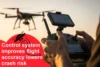
Have you ever wondered how professional pilots fly drones over long distances with perfect accuracy? The answer lies in a drone ground control system. This advanced tool works like a command center, guiding drones step by step. From tracking live video to adjusting flight paths, it does much more than a normal remote. Many people think drones only rely on handheld controllers, but the real secret is the ground system behind them. Curious to know how it helps in disaster management, security, or traffic monitoring? Let’s explore how this system makes drones more powerful and reliable.
What Exactly Is a Drone Ground Control System
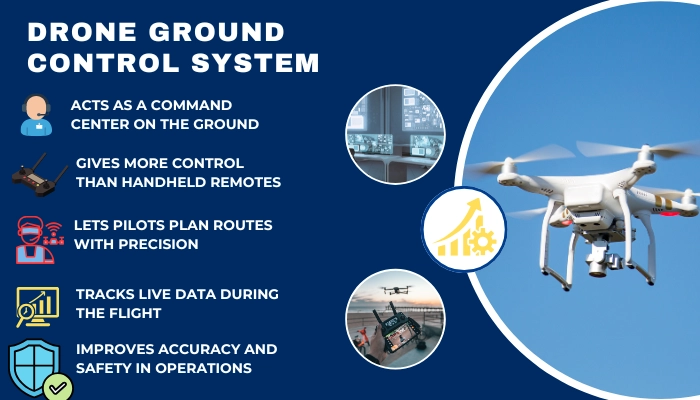
A drone ground control system is like a command center that sits on the ground and guides a drone through its flight. Unlike a simple handheld remote, which only gives basic movement, drone control systems allow pilots to plan routes, track live data, and manage the drone from start to finish. It works like a smart station, giving more accuracy and safety during operations. Professionals in fields like farming, security, and construction cannot fly without it because they need detailed control, reliable signals, and real-time information to complete complex tasks without mistakes.
How Does It Control Drones Over Long Distances
A drone ground control system can guide drones far beyond the pilot’s sight. It uses strong connections and smart technology to make sure signals reach the drone clearly. These systems are often called drone communication systems because they work as the link between the pilot and the drone.
Signals and Connections : The system sends commands through radio signals or wireless links. These signals guide the drone’s movements step by step, from turning to landing.
Role of Satellites and Antennas : Drone GPS systems work with satellites to keep the drone on the correct path, while antennas on the ground boost the strength of signals so they don’t break.
Accuracy Over Mile : Even when flying miles away, drones stay accurate because the ground system constantly updates their position. This live feedback ensures smooth control without delays or errors.
Surprising Functions You Didn’t Expect
A drone ground control system does much more than simply flying a drone. It offers advanced features that many beginners don’t even realize exist:
Real-Time Video Streaming : Pilots can see exactly what the drone sees, live on their screens. This makes tasks like inspections, security checks, and rescue work faster and more reliable.
Mapping and Navigation Updates Mid-Flight : Routes can be changed while the drone is still in the air. This helps when conditions shift suddenly, like bad weather or blocked paths.
Collecting Hidden Data Beyond Just Flying : The system records details such as altitude, temperature, and battery health. This data is useful for reports, safety checks, and future planning.
Controlling Multiple Drones at Once : One ground station can manage a fleet of drones. This is especially helpful for big projects, like construction surveys or wide-area farming.
How Can a Ground System Save Lives
A drone ground control system is more than just a flying tool—it can be a real lifesaver in emergencies. By giving pilots accurate control and live data, it plays a huge role in saving lives when every second counts.
Disaster Management : During floods, earthquakes, or fires, drones guided by ground systems can scan large areas quickly. They help spot survivors and dangers that rescuers on the ground might miss.
Search and Rescue Made Faster : Live visuals from the drone allow teams to track movements, locate missing people, and send help immediately without wasting time.
Delivering Medical Supplies : In remote or blocked areas, drones can carry small but important items like medicines, blood packets, or first-aid kits. Ground systems make sure these deliveries reach the right place safely.
Who’s Watching From Above
A drone ground control system turns drones into powerful eyes in the sky. They are widely used for security and surveillance because they can cover large areas faster than people on foot.
Security and Surveillance Uses : Drones help guard sensitive places like airports, factories, and government sites. They give live feeds so security teams can act quickly.
Border Control, Large Events, and Crime Monitoring : From keeping borders safe to watching over concerts or sports events, drones spot trouble before it grows. Police also use them to track suspects or monitor crime-prone zones.
Privacy Concerns : While helpful, drones also raise questions. Many people don’t realize how much they are watched. Ground control systems store data, and without rules, this can sometimes feel like a breach of privacy.
Can Drones Really Keep Cities Moving
Drones are now playing a big role in making city life smoother. With the help of ground control systems, they don’t just fly—they watch, guide, and report in real time.
Traffic Monitoring : Drones can fly above busy roads and highways, giving live updates about traffic jams. This helps officials respond faster without needing police officers at every corner.
Accident Checks : When accidents happen, drones can quickly scan the area and send visuals to rescue teams. This saves time and makes emergency response more effective.
Crowd Control : During events or protests, drones can monitor large groups. Ground systems help guide teams to areas that need more safety or support.
Smart City Planning : The data collected by drones shows where roads get blocked often. City planners use this information to design better routes and improve transport systems.
What’s Stopping Drones From Doing Even More
Even with advanced ground control systems, drones still face real challenges that limit their growth.
High Costs : Setting up a ground control system and training skilled operators can be expensive. This makes it harder for small businesses to use drones.
Battery and Range : Drones often have short flight times. In areas with weak signals or rough landscapes, their range becomes even more limited.
Weather Problems : Heavy rain, strong winds, or fog can affect drone flights. These conditions make it unsafe to fly and reduce reliability.
Tough Regions : In rural or mountain areas, drones struggle with poor signals and power limits. This makes long-distance missions harder to complete.
How Will Ground Control Change Tomorrow’s Skies
The future of drones looks exciting, and ground control systems will play the biggest role in shaping it.
AI Decisions : Artificial intelligence will help drones make smarter choices during flights. Instead of waiting for human commands, drones will adjust routes and avoid risks on their own.
Cloud Control : With cloud-based systems, drones can be managed from anywhere. A pilot in one city could guide a drone flying miles away in another region.
Everyday Use : From delivering packages to carrying medicines or checking crops, drones will become a normal part of daily life. Ground control will make these tasks safe and reliable.
Smart Example : Imagine a drone carrying urgent medicine to a remote village. Guided by AI and controlled through the cloud, it reaches faster than any vehicle.
Conclusion
Drone ground control systems are the hidden power behind safe and smart drone flights. They act like command centers, making sure drones fly with accuracy and purpose. From boosting safety in the skies to supporting security teams, managing traffic, and even shaping future technologies, their role is becoming more important every day. These systems are not just tools—they are the reason drones can do so much more than just fly.