Why Drone Object Detection Is Crucial for Safe Flying
Published: 26 Dec 2025
Drone object detection plays a key role in modern drone technology. It allows a drone to find and track objects while flying. The drone uses cameras and sensors to do this job. These sensors act like the drone’s eyes. For example, when a drone flies in a busy area, drone object detection helps it notice people or cars nearby. This reduces the risk of accidents. Farmers use this feature to watch crops. Rescue teams use it to find people faster. Drone object detection improves safety, accuracy, and control.
In this article, we will explore what drone object detection is and why it is important for safe drone flying.
How Drone Object Detection Works
Drone object detection helps a drone see obstacles, understand distance, and fly safely without crashing. It works by combining cameras with a drone obstacle avoidance sensor system.
Camera Vision : Cameras act like the drone’s eyes. They capture live images and video of trees, buildings, people, and wires. The drone software scans these visuals to spot objects in its flight path.
Depth Sensing : Sensors measure how far objects are from the drone. They send signals and calculate distance based on how fast the signal returns. This helps the drone know if an object is close or far.
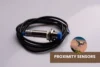
Sensor Types : Drones use sensors like ultrasonic, infrared, or LiDAR. Each sensor works in a different way but shares one goal: helping the drone detect obstacles in different lighting and weather conditions.
Smart Processing : The drone combines camera data and sensor data. Its onboard system analyzes this information in real time. Based on this, the drone slows down, changes direction, or stops to avoid a crash.
Types of Objects Drones Can Detect
Modern drones can detect many objects around them to avoid accidents and fly safely.
People and Animals : Drones can recognize human shapes and animal movement using cameras. This helps prevent flying too close to people or pets, especially in parks or residential areas.
Cars and Movement : Moving objects like cars, bikes, or other drones are detected by tracking motion. The drone notices changes in position and speed, then adjusts its path to avoid collisions.
Fixed Obstacles : Trees, buildings, and power lines are common risks. Drones use sensors to measure distance from these objects and keep a safe gap while flying through tight spaces.
Why Drone Object Detection Is Important for Safety
Drone object detection plays a key role in keeping flights safe and controlled. It helps drones react quickly to their surroundings and avoid risky situations before they turn into accidents.
Avoids Crashes : Object detection helps the drone spot obstacles like trees, walls, or wires early. When the drone sees danger ahead, it can slow down, stop, or change direction. This reduces the chance of sudden crashes, especially for new pilots.
Prevents Collisions : Drones often fly in places with moving objects like cars, people, or other drones. Object detection tracks movement and distance in real time. This allows the drone to keep a safe gap and avoid mid-air or ground-level collisions.
Protects People : Flying near homes or public areas can be risky. Object detection helps the drone stay away from people and animals. This lowers the risk of injury if the drone loses balance or control.
Keeps Property Safe : Buildings, vehicles, and power lines can get damaged by a crashing drone. Object detection helps the drone navigate tight spaces carefully. This protects both the drone and nearby property, making every flight safer and more reliable.
Benefits of Drone Object Detection
Drone collision avoidance isn’t just a tech feature—it makes flying smarter, safer, and more efficient. Here’s why it matters.
Enhanced Safety : Early obstacle detection reduces accidents and strengthens drone flight safety in both open and crowded areas.
Boosts Beginner Confidence : New pilots often worry about crashing. Object detection helps the drone avoid obstacles automatically, giving beginners more confidence to focus on learning controls.
Drone Protection : Crashes can damage expensive drones. Object detection helps prevent collisions with trees, wires, or other objects, extending the drone’s lifespan.
Professional Advantage : For commercial tasks like surveying, inspections, or deliveries, object detection ensures smoother flights. It allows pilots to focus on the mission rather than constantly avoiding obstacles.
Situations Where Object Detection Helps
Aerial object recognition is especially useful in tricky flying conditions. It helps drones navigate safely and avoid accidents in real time.
Urban Flying : In cities, drones face buildings, power lines, and crowded streets. Object detection spots these obstacles early, letting the drone adjust its path and avoid crashes.
Low Visibility : Fog, rain, or dim light can make it hard to see obstacles. Sensors and cameras detect objects even when humans can’t, keeping flights safe in poor visibility.
Indoor Navigation : Flying indoors is risky because of walls, furniture, and ceilings. Object detection helps drones measure distances precisely, preventing collisions in tight spaces.
Safe Takeoff & Landing : Automated takeoff and landing can be tricky on uneven or cluttered surfaces. Object detection scans the area to ensure a clear spot, reducing the chance of damage during landing or takeoff.
Limitations of Drone Object Detection
While drone object detection improves safety, it has some limits that pilots should understand. Relying solely on it can be risky.
Poor Lighting : Cameras may struggle in low light or at night. Objects can be hard to see, which reduces detection accuracy and increases the risk of accidents.
Weather Effects : Rain, fog, or snow can interfere with sensors and cameras. Bad weather may cause false readings or prevent the drone from detecting obstacles properly.
Sensor Blind Spots : Some objects may fall outside the sensor’s range or field of view. Blind spots mean the drone might miss obstacles, so pilots must stay alert.
Human Oversight Needed : Automation is helpful, but it isn’t perfect. Pilots should always monitor the drone, be ready to take control, and not rely only on object detection for safety.
Conclusion
Drone object detection is a key technology that allows drones to see obstacles, measure distances, and understand their surroundings. It combines cameras and sensors to help drones avoid crashes, protect people and property, and make flying smoother.This feature is essential for safe drone flying because it reduces risks in busy areas, low-visibility conditions, and complex environments. While it makes flights safer and easier, pilots should still stay attentive and ready to take control when needed.