How Drone Positioning System Keeps Beginners Safe
Published: 30 Nov 2025
A mistake many beginners make is trusting the drone without checking the drone positioning system. This small step decides how smooth your flight will feel. The system keeps the drone in one place even when the wind pushes it. It helps the drone land safely. It helps you get clean photos and videos. Imagine taking a family shot and the drone keeps sliding away. That is what happens when the drone positioning system is poor. So it is always smart to learn how this system works and how it protects your drone in real time.
What the Drone Positioning System Really Does
The drone positioning system acts like the drone’s guide in the air. It keeps the drone steady and helps it move with control.
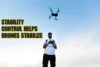
Keeps the drone steady in one spot : The system holds the drone in place even when you stop touching the sticks. This helps you take clear photos and smooth videos without sudden shakes.
Helps the drone fight light wind : When a small breeze pushes the drone, the system pushes back. It stops slow drifting and keeps the drone safe during outdoor flights.
Gives the drone clear location data : It uses GPS and sensors to tell the drone where it stands. This helps the drone move in the right direction and stay balanced in the air.
Fixes balance when the drone tilts : If the drone leans or drifts, the system corrects it fast. This keeps beginners calm and stops the drone from making scary moves.
Why Balance Matters in Every Flight
Good balance keeps the drone calm in the air. It helps you fly with control and enjoy smooth shots without stress.
A stable drone gives clean photos and videos : When the drone stays still, the camera can focus better. Your shots look sharp and clear. This helps a lot during family photos, travel shots, and slow flying scenes.
Less shaking means smoother moves : Small shakes can ruin a nice video. Good balance cuts these shakes and makes your drone glide smoothly. This gives you soft turns and steady forward moves.
Helps beginners fly with confidence : Strong balance makes the drone easy to control. You don’t fight the sticks. You enjoy the flight because the drone listens to you.
Protects the drone from drifting away : Balance keeps the drone from sliding to one side. This reduces mistakes and keeps the drone safe in open areas.
Safety Starts Before Takeoff
Good safety begins on the ground. A quick check of your drone positioning system and your gps for fpv drone setup keeps your flight smooth and stress-free.
The system helps the drone return safely : When the drone knows its exact place, it can come back to the same spot with ease. This helps a lot when the battery gets low or the signal drops for a moment.
It lowers the risk of fast drift and loss : Strong positioning stops the drone from sliding away when the wind pushes it. Your gps for fpv drone system adds extra support by giving steady location data.
Makes takeoff and landing easier for beginners : A good system keeps the drone steady as it lifts off. It also helps the drone land in a smooth, clean line.
Protects the drone in busy or open areas : Clear location data keeps the drone from wandering into trees, walls, or open fields. This simple check can save you from crashes and lost drones.
How It Protects Beginners
The drone positioning system acts like a safety net for new pilots. It keeps the drone steady and makes every move feel easy to handle.
Makes flying easier with simple control : A stable drone listens well to every stick move. You don’t fight the controls. You feel calm because the drone goes where you guide it without sudden jumps.
Stop panic : Sometimes the wind or sensors can push the drone slightly. The system fixes this fast. It pulls the drone back to its spot, so you don’t feel scared or confused.
Gives beginners time to learn : With strong stability, you can practice takeoff, landing, and slow turns. You learn at your own pace without worrying about losing control.
Reduces the chance of small crashes : Balance and clear location data help prevent hits with walls, trees, or the ground. This keeps the drone safe while you build skill.
Real-Life Moments That Go Wrong
Even small mistakes with the drone positioning system can ruin your flight experience.
Family photos ruined by slow sliding : When the drone drifts during a shot, your perfectly planned photo can turn blurry or misaligned. A strong positioning system keeps the drone steady so every moment is captured clearly.
Drone landing far away due to weak positioning : Without proper positioning, the drone may slide or drift while landing. This can cause it to end up far from the intended spot, risking scratches or loss.
Videos become shaky and messy : Slight drifts or tilts make your recordings look unprofessional. A reliable positioning system keeps the drone stable, giving smooth, clear footage.
Unplanned crashes in busy areas : Weak or uncalibrated systems increase the chance of bumping into obstacles. Proper positioning keeps the drone aware of its location, reducing these risks.
Quick Checks Every Beginner Should Do
Before taking off, a few simple checks can save your drone and make flying easier.
Check satellite lock : Ensure the drone connects to enough satellites. This gives accurate positioning and prevents unexpected drift during flight.
Test hover in one spot : Lift the drone a few feet and let it hover. If it stays stable, the positioning system is working correctly. This practice helps you see how the drone reacts to minor wind or controller inputs.
Make sure sensors respond well : Check obstacle sensors, altitude sensors, and any other feedback tools. Proper sensor response ensures smooth flight and helps avoid collisions.
Confirm battery and GPS status : Always verify battery level and GPS signal strength before full flight. This reduces the risk of sudden landings or loss.
Conclusion
Beginners should always check the drone positioning system before flying because it keeps the flight safe, steady, and stress-free. A properly working system prevents crashes, drift, and unexpected movements, protecting the drone from obstacles and rough landings. It also holds the drone in place, even in light wind, which helps capture clear photos and smooth videos without shaking. Checking the system reduces stress for beginners, giving confidence to focus on learning, practicing maneuvers, and enjoying the flight. This simple step also prevents common mistakes like sliding during shots, unstable landings, or losing control mid-flight.