How Drone Safety Features Prevent Crashes Effectively
Published: 30 Dec 2025
Many drone pilots face accidents caused by unexpected obstacles or sudden wind gusts. These incidents can lead to crashes, broken equipment, or injuries. The solution lies in advanced drone safety features. Features like obstacle detection sensors, auto-landing systems, and geofencing help the drone sense danger and respond instantly. For instance, when a drone gets too close to a tree, the obstacle avoidance system guides it away safely. By using these safety features, pilots gain better control and confidence, ensuring smooth flights every time and reducing the risk of costly or dangerous accidents.
In this article, we will explore the role of drone safety features in preventing crashes.
Drone Obstacle Avoidance Sensors
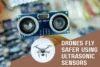
Obstacle avoidance sensors are one of the most important safety features in modern drones. They help detect objects in the drone’s flight path and prevent collisions in real time.
Real-Time Detection : Sensors like ultrasonic, LiDAR, and infrared continuously scan the surroundings. They measure the distance between the drone and nearby objects, allowing the drone to react instantly.
Automatic Flight Adjustments : When an obstacle is detected, the drone can slow down, stop, hover, or change direction automatically. This prevents crashes without requiring immediate pilot intervention.
Practical Example : Imagine flying a drone in a park. The sensors detect trees, walls, or power lines, and the drone adjusts its path to avoid hitting them. This ensures smooth and safe navigation.
Enhanced Crash Prevention : By constantly monitoring the environment, obstacle avoidance sensors reduce the risk of collisions and protect both the drone and its surroundings, improving overall drone flight safety.
Object Detection Technology in Drones
Drone object detection systems are essential for identifying moving objects in the drone’s path, helping prevent accidents and mid-air collisions.
How It Works: Drones use cameras, LiDAR, radar, or infrared sensors to scan the surrounding area. The system processes data in real time to recognize objects, their size, speed, and direction.
Detecting Moving Objects: The technology can identify birds, other drones, vehicles, or even people. It tracks their movement to predict potential collision paths.
Collision Prevention: When a moving object is detected, the drone can automatically change course, slow down, or hover. This reduces the risk of mid-air collisions significantly.
Real-Life Example: During a city flight, a drone detects a fast-approaching bird. The object detection system signals the drone to adjust its path, preventing damage to both the drone and the bird.
Enhanced Flight Safety: By continuously monitoring dynamic environments, drone object detection ensures safer flights even in crowded or complex areas.
Infrared Sensors for Low Visibility
Infrared sensors allow drones to see in conditions where normal cameras fail. They detect heat signatures from objects, people, and animals, ensuring safer flights even in poor visibility.
How Infrared Sensors Work: The sensors detect infrared radiation (heat) emitted by objects in the environment. This allows the drone to identify obstacles even in darkness, fog, or smoke.
Guided Flight for Safety: By sensing heat signatures, the drone can avoid collisions with people, animals, or obstacles. It can hover, adjust its path, or slow down automatically.
Crash Prevention Example: A drone flying at night in a forest detects the heat from a tree trunk or animal. The infrared sensor helps the drone navigate safely, preventing accidents.
Enhanced Flight Reliability: Using infrared sensors for drones ensures continuous flight safety, even in challenging or low-visibility environments.
Proximity Sensors and Safety Alerts
Proximity sensors are key to keeping drones safe by detecting nearby objects and warning pilots before a collision occurs. They work seamlessly with other safety systems to prevent accidents.
How Proximity Sensors Work: These sensors measure the distance between the drone and surrounding objects using ultrasonic, infrared, or LiDAR technology. They provide real-time alerts to the pilot.
Integration with Flight Safety Systems: Proximity sensors are connected with drone flight safety systems. When an obstacle is detected, the drone can automatically adjust its path, slow down, or hover without pilot input.
Enhanced Safety: By continuously monitoring the surroundings, proximity sensors add an extra layer of protection, making drone operations more reliable and secure.
Automatic Flight Corrections
Automatic flight correction systems help drones stay stable in the air, reducing the risk of crashes caused by environmental factors or pilot errors.
Stabilization in Real Time: Drones use gyroscopes, accelerometers, and GPS data to constantly monitor orientation and speed. Safety features automatically adjust motors and rotors to maintain balance.
Responding to Wind and Turbulence: Sudden gusts of wind can push a drone off course. Automatic flight corrections counteract these forces instantly, keeping the drone on a safe path.
Compensating for Pilot Mistakes: If a pilot oversteers or misjudges a maneuver, the system can adjust the drone’s position to prevent collisions or falls.
Improve Flight Safety: These features ensure smoother, safer flights, protecting both the drone and its surroundings while improving pilot confidence.
Impact on Pilot Confidence
Drone safety features not only protect the drone but also give pilots the confidence to fly in complex and challenging environments.
Reduced Stress During Flight: Knowing that drone obstacle avoidance sensors, object detection, and infrared sensors are active helps pilots stay calm, even in crowded or low-visibility areas.
Safer Decision-Making: Automatic alerts and flight corrections allow pilots to focus on navigation rather than constantly worrying about collisions.
Improved Operational Efficiency: Confident pilots can complete missions faster and more accurately, whether flying indoors, near structures, or in dynamic outdoor conditions.
Long-Term Benefits: Over time, these features build trust in the technology, enabling pilots to take on more complex missions safely.
Conclusion
Safety features play a vital role in preventing crashes by detecting obstacles, objects, and environmental hazards. From drone obstacle avoidance sensors to infrared sensors for drones, these technologies guide drones safely and reduce risks during flight. Adopting drones equipped with advanced drone flight safety systems ensures safer operations, protects equipment, and enhances pilot confidence.