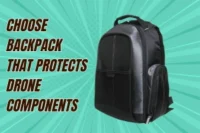
How Drone Camera Backpacks Differ from Normal Bags
Published: 24 Feb 2026
A drone camera backpack makes a big difference when you compare it to a normal travel bag. A regular backpack holds things, but it does not protect them. A drone camera backpack keeps every part in its own space. The drone stays safe. The controller stays firm. The batteries do not move around. Think about a field pilot traveling to a site. One sharp turn in a taxi can damage loose gear. This type of backpack prevents that problem. It adds padding where it matters. It also keeps weight balanced on your back. For serious users, a proper drone travel backpack means fewer risks and faster setup at work.
Built for Equipment, Not Just Storage
This is the main reason professionals choose a drone camera backpack over a normal bag. It is designed around the gear, not around empty space.
Custom-shaped compartments : Each section is made to fit real drone parts. The drone body, remote, and camera sit in fixed slots. This stops items from sliding inside the bag.
Separate space for every tool : Batteries, chargers, and cables stay in their own pockets. You do not mix heavy items with fragile ones. This reduces the risk of damage.
Faster access during work : You open the bag and see everything at once. You grab the drone without moving other gear. This helps when you need to fly quickly on site.
Better control over organization : You always know where each item sits. This avoids forgetting tools and saves time during packing and unpacking.
Better Protection for Fragile Gear
This feature matters most when you travel or work in rough conditions. Drones break easily, and normal bags do not offer enough safety.
Thick padding on all sides : The bag uses strong foam around the drone area. This absorbs shock from drops and sudden movement.
Firm outer shell : Many drone backpacks use a hard or semi-hard surface. This protects gear if the bag hits a wall or falls in a car.
Raised inner sections : The drone does not touch the outer surface directly. There is always a safety layer between the gear and the outside.
Real-life example : Imagine placing the bag on rocky ground during a site visit. The outer shell takes the impact, not your drone.
Smart Layout for Fast Access
This design helps when time matters and you cannot waste minutes searching for gear.
Full-open design : The bag opens flat like a case. You see all tools at once. Nothing stays hidden under other items.
Top and side access : You can reach the drone without opening the whole bag. This helps when you stand in tight spaces.
Clear separation of items : Cables, batteries, and controllers stay in fixed areas. You do not mix small parts with big ones.
Real-life example : Picture a pilot arriving at a construction site. They open the bag, take the drone, and start flying in under one minute.
Weight Balance for Long Carry
Walking long distances with heavy gear is easier with a drone camera backpack.
Even weight distribution : The drone and batteries sit in the center of the bag. This keeps the load balanced on both shoulders.
Padded shoulder straps : Thick straps reduce pressure on your shoulders. This makes the bag feel lighter over time.
Back support panel : The rear side of the bag stays firm and straight. This protects your posture during long travel.
Real-life example : Think about walking from parking to a remote survey site. With proper balance, you arrive without back pain and fatigue.
Extra Space for Power and Tools
This feature helps you stay ready for long work sessions without carrying extra bags.
Dedicated battery pockets : Each battery sits in its own slot. This stops them from hitting each other and getting damaged.
Separate charging section : Chargers and cables stay in a fixed area. You do not mix them with the drone body.
Small pockets for accessories : Memory cards, filters, and spare parts fit in zip pockets. You can find them fast when needed.
Real-life example : During a full-day shoot, you carry all power tools in one bag. You swap batteries on the spot and keep flying without delay.
Who Should Use a Drone Camera Backpack
This type of backpack suits anyone who works with drones and needs safe, organized travel.
Drone pilots : Pilots who fly often need fast setup and strong protection. This bag keeps gear ready and reduces setup time.
Videographers : Video teams carry cameras, drones, and batteries together. One backpack keeps all tools in one place.
Survey teams : Survey work involves rough sites and long walks. A proper backpack protects gear and supports long carry.
Content creators : Creators travel a lot and shoot in public spaces. A single bag helps them move light and stay organized.
Conclusion
A drone camera backpack is not just a bag. It is a work tool. It protects fragile gear, keeps everything organized, and saves time on every job. For professionals who travel and fly often, the right backpack reduces risk, improves comfort, and helps you focus on flying instead of managing equipment.