Why Every Drone Pilot Needs a Travel Backpack
Published: 23 Feb 2026
Every professional drone pilot faces the same problem. Gear is heavy, fragile, and hard to manage while traveling. Carrying multiple cases slows you down and increases the risk of damage. A drone travel backpack solves this in one simple move. It combines storage, protection, and mobility in a single bag. Think about a survey pilot working on remote sites. They need quick setup, safe transport, and hands-free movement. A proper backpack keeps drones, chargers, and cameras in fixed slots. This makes travel smoother, reduces setup time, and keeps the focus on flying instead of worrying about equipment safety.
In this article we will see Why is a drone travel backpack essential for professional drone pilots
What Is a Drone Travel Backpack
A drone travel backpack is a bag designed specially to carry aerial gear safely while you move from one place to another.
Definition : It is a backpack built to store flying equipment, camera parts, and accessories in an organized and protected way.
How it differs from normal backpacks : Unlike regular bags, this one is made for technical gear, not books or clothes. The inside layout is structured, not open. It focuses more on safety than on storage space.
Basic features
Padded compartments : Soft dividers protect the drone body, controller, and camera from shocks.
Custom sections : Separate slots for batteries, cables, and props keep everything in its place.
Firm outer shell : Strong material guards the gear from pressure and small impacts.
Water resistance : Keeps equipment safe from light rain and splashes.
Comfort straps : Helps carry heavy gear without hurting your shoulders.
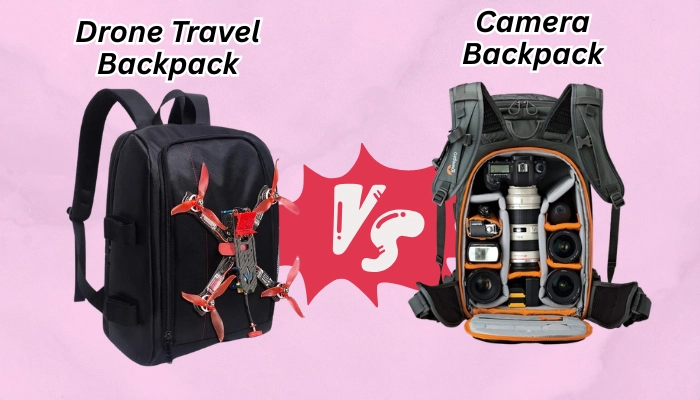
Drone Travel Backpack vs Camera Backpack
Both bags look similar at first, but they are built for different types of users and different types of gear. The main difference comes down to what you carry and how much protection your equipment needs.
Key differences
Internal layout : A drone-focused bag has fixed sections for the drone body, controller, and batteries. A camera bag mostly has flexible space for lenses and camera bodies.
Gear protection : Drone bags use stronger padding and firmer walls because flying gear is more fragile and expensive. Camera bags focus more on quick access than heavy protection.
Accessory storage : Drone bags include special pockets for props, chargers, and cables. Camera bags usually store only memory cards and small tools.
Who should choose what : If you travel with flying gear and carry multiple accessories, a drone travel backpack makes more sense. If you only shoot photos or videos with cameras and lenses, a camera backpack is enough and easier to use.
For a full comparison, see our detailed guide on drone camera backpacks.
Protection and Weather Safety
When you travel with expensive flying gear, weather is one of the biggest risks. A single splash of water or a dusty environment can damage motors, batteries, and cameras. That is why water protection is not a luxury. It is a basic need for anyone who moves outdoors with sensitive equipment.
Why water protection matters
Electronics hate moisture : Even a small amount of water can cause short circuits, corrosion, or battery failure.
Hidden damage is common : Water may not show visible signs, but it can slowly damage internal parts over time.
Repairs are costly : Replacing motors or cameras costs far more than investing in proper protection.
Rain, dust, and beach travel
Rain exposure : Sudden showers during travel can soak normal bags in minutes. A waterproof drone backpack uses coated fabric and sealed zippers to block water from entering.
Dusty locations : Places like construction sites or dry fields allow fine dust to enter normal bags. This dust can jam motors and scratch camera lenses.
Beach conditions : Sand and salt air are very harmful. Sand gets into moving parts, while salt causes corrosion on metal and electronic contacts. A weather-protected bag reduces both risks and keeps gear clean.
How to Choose the Right Drone Travel Backpack
Picking the right bag is not just about looks. It directly affects how safe your gear stays and how easy your trips feel. The wrong choice leads to damaged equipment, poor organization, and shoulder pain after long travel days.
Size : The bag should match your gear, not the other way around. If it is too small, parts get squeezed and damaged. If it is too big, everything moves inside and hits each other. Always check if it fits the drone, controller, extra batteries, and future upgrades.
Padding : Good padding absorbs shocks from drops, bumps, and rough handling. The walls should feel firm but soft inside. Thin padding protects from scratches only. Thick padding protects from real impact during flights, bike rides, or crowded transport.
Battery storage : Batteries need separate, well-ventilated pockets. This reduces heat buildup and lowers fire risk. Proper sections also prevent batteries from touching metal objects like tools or cables.
Comfort : A heavy bag becomes painful fast. Look for wide shoulder straps, back padding, and chest or waist support. This spreads weight evenly and reduces strain during long walks or airport travel.
We explain this step by step in our guide on how to choose a drone backpack.
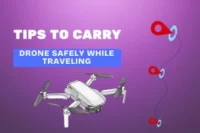
How to Carry a Drone While Traveling
Traveling with flying gear needs planning. Airlines, security checks, and long transit times all increase the risk of damage if you pack carelessly. Knowing the right way to move your drone between locations matters just as much as owning good equipment. A smart carrying method keeps your gear safe, organized, and ready to use the moment you arrive.
Hand luggage vs checked baggage : Hand luggage is always the safer option. You keep the gear with you, so it avoids rough handling and extreme temperature changes. Checked baggage often gets thrown, stacked, and exposed to pressure, which can crack frames and damage internal parts. If you must check in, remove the main unit and carry it separately.
Battery safety basics : Batteries should always stay in your cabin bag. Most airlines do not allow lithium batteries in checked luggage due to fire risk. Use protective covers or battery cases to avoid short circuits. Never carry loose batteries in pockets or mixed with metal objects.
Why backpacks are safest : A well-designed backpack keeps everything fixed in place. Padded sections stop movement, and firm outer walls absorb shocks. Compared to hard cases or loose bags, backpacks distribute weight evenly and reduce both physical damage and carrying stress during long trips.
Drone Backpack Flight Rules
Flying with a drone is allowed on most airlines, but only if you follow basic safety and packing rules. These rules exist to protect passengers and prevent battery-related risks during the flight.
Airlines allow drones in cabin : Most airlines permit drones in cabin luggage, not in checked bags. This keeps the equipment safe from damage and allows crew to react quickly if there is any issue. Always keep the main unit and controller with you.
Battery limits : Lithium batteries usually must be under 100Wh per battery, though some airlines allow up to 160Wh with approval. There is also a limit on how many spare batteries you can carry. Each battery should be covered or stored in a protective case.
Security checks : At airport security, you may need to remove the drone from your bag, just like a laptop. Security staff might inspect batteries separately. Keeping everything organized makes this process faster and avoids delays.
Final Summary
A drone travel backpack keeps your equipment safe, organized, and ready for action. It protects against shocks, weather, and travel hazards while providing easy access to batteries, controllers, and accessories. When choosing one, consider size, padding, battery storage, comfort, and airline rules. The right bag ensures smooth, stress-free trips for professional drone pilots.
Carrying multiple cases is heavy, slow, and risky for fragile gear. A drone backpack combines all equipment in one bag, reducing setup time. It also keeps your devices safer during travel.
To pick the best bag, consider size, compartments, padding, and durability—this is key to knowing how to choose a drone backpack that fits your drone, controller, and extra gear. Also, check airline carry-on rules if you travel by air.
Yes. Most backpacks have separate compartments for batteries. Keeping them in isolated, padded sections reduces risk during travel and follows flight safety rules.
Absolutely. Most professional backpacks have dedicated padded sections for laptops or tablets. This allows you to plan flights or review footage on the go.
Many high-quality drone backpacks are water-resistant or waterproof. This protects your gear from rain, spills, or damp conditions. Always check the product description before buying.