Why Choose an H Frame Drone for Aerial Photography
Published: 23 Oct 2026
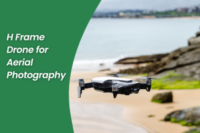
Have you ever wondered how photographers capture clear aerial photos from high above the ground? H Frame Drone for Aerial Photography can help you capture wide views, sharp images, and amazing shots from different heights. Its H-shaped frame offers a useful design for carrying a camera and other parts. You can use this drone to photograph farms, buildings, roads, and outdoor events. Whether you are a beginner or a drone fan, this drone design can help you explore new ways to capture the world from above.
What is H-Frame Drone
H-frame drone is a type of drone with a frame shaped like the letter H. Its design holds the main parts in place and can provide space for a camera.
Shaped Frame Design: The drone has two long sides joined by a middle section, forming H shape. This frame supports the drone’s main parts and provides a base for its flight system.
Holds Important Parts: The frame holds the motors, flight controller, battery, and camera mount. The motors spin the propellers to lift the drone, while the battery supplies power. The flight controller helps the drone stay on its planned path.
Space for Camera Equipment: Many H-frame designs offer room to fit a camera and its mounting parts. This gives builders more options when setting up a drone for aerial photography. The frame must still match the camera’s size and weight.
Useful for Aerial Photos: Imagine a farmer who wants to take photos of a large field. H-frame drones with a suitable camera can fly over the land and capture images of crops, paths, and irrigation lines. Builders can also set up these drones to photograph buildings and construction sites.
Why is H-Frame Drone Useful for Aerial Photography?
The H-frame drone can be a useful choice for aerial photography because its design offers space for a camera and other key parts. It can help pilots capture photos of farms, buildings, roads, and large outdoor areas.
Space for Camera Gear: The H-shaped frame can provide room for a camera and its mounting parts. This helps builders choose a camera setup that suits their photography needs. For example, a drone may carry a small camera to capture views of a farm or a building.
Supports Stable Flight: A well-built H-frame drone can support a balanced flight setup. Proper motor placement, good propellers, and a suitable flight controller help the drone stay steady in the air. This can help pilots capture clearer photos with less blur.
Flexible Camera Setup: Some H-frame drones allow builders to adjust the camera mount to suit different shots. A forward-facing camera can capture buildings, while a downward-facing camera can photograph crop fields and roads. The camera must have a clear view without the frame blocking the image.
Useful for Different Tasks: H-frame drones can support many photography tasks when their design matches the job. Farmers can use aerial photos to view crop fields, while builders can record progress at a construction site. The right camera, battery, and frame size help the drone meet these needs.
Offers Space for Camera Equipment
This drone can be a useful choice for aerial photography because its design can provide space for a camera and other equipment. This helps pilots choose a setup that fits their photo needs.
Room for Camera Gear: The H-shaped frame can provide space to fit a camera, camera mount, and other flight parts. This helps builders arrange the equipment in a suitable position. For example, a drone used to photograph a farm may carry a small camera to capture clear views of crops and fields.
Choose the Right Camera: Pilots can select a camera based on the photos they want to take. A small action camera may work well for outdoor views, while a higher-quality camera may suit detailed photos of buildings or land. The drone must support the camera’s size, weight, and power needs.
Maintain Proper Balance: A camera adds weight to the drone, so builders must place it carefully. A balanced setup helps the drone fly smoothly and respond well to the controls. Poor weight balance can make the drone harder to control and may affect photo quality.
Check Weight Capacity: Every drone has a limit on how much weight it can carry. The camera, mount, battery, and other parts all add to the total weight. Pilots should check this limit before flying. Carrying too much weight can reduce flight time and affect the drone’s stability.
H Frame Drone for Stable Freestyle Flights
H-frame drones can support stable freestyle flights when the pilot uses the right setup. Its frame design, motor placement, and weight balance all help the drone move through the air with better control.
Supports Stable Flight: The H-shaped frame holds the drone’s main parts in place. A well-built frame helps keep the motors and other parts secure during flight. This can help the pilot maintain control while flying through open spaces or changing direction.
Enables Smooth Turns: Pilots can use an H-frame drone to practise turns, quick direction changes, and controlled movements. The drone’s motors adjust their speed to help it move in the desired direction. A well-tuned flight system can make these movements smoother and easier to control.
Maintains Proper Balance: Good weight distribution helps the drone stay balanced during flight. Builders should place the battery, camera, and other parts carefully across the frame. Poor balance can make the drone tilt unevenly and affect how it responds to the pilot’s controls.
Improves Flight Control: A strong frame, well-matched motors, and suitable propellers can help a drone respond more consistently to control inputs. Pilots should check all parts before takeoff and practise basic movements in an open, safe area. These steps can help them build confidence and improve their freestyle flying skills.
Makes Customization Easier
H-frame drone gives builders the freedom to adjust its parts for different photography needs. They can choose suitable camera mounts, batteries, and other parts to create a setup that works well for their planned flights.
Adjust Parts Easily: Builders can change or upgrade compatible parts to suit their photography goals. They may add a camera mount, replace a battery, or adjust the position of some equipment. These changes can help the drone meet different needs, such as taking photos of farms, buildings, or open landscapes.
Choose Camera Mounts: A camera mount holds the camera in place during flight. Builders can select a suitable mount based on the camera size, weight, and shooting angle. For example, a downward-facing mount can help capture photos of fields, roads, and land from above.
Select Suitable Batteries: The battery affects the drone’s flight time and total weight. Builders can choose a compatible battery based on the drone’s power needs and planned flight time. They must also check the battery size and weight to keep the drone balanced and avoid putting too much strain on its motors.
Build for Landscapes: Imagine a builder who wants to photograph hills, lakes, and wide green fields. They can fit a suitable camera mount and a lightweight camera to capture these views. They can also select a compatible battery that provides enough flight time for the planned shots. This setup helps the builder prepare the drone for landscape photography.
What Can You Photograph With H-Frame Drone?
This type of drone can help you capture clear aerial photos of many places. With a suitable camera and the right setup, you can photograph farmland, buildings, natural areas, and outdoor events from above.
Agriculture and Crop Fields: Farmers can use H-frame drone to photograph crop fields, irrigation systems, and farm layouts. These aerial images provide a wider view of the land. For example, a farmer can study photos of different field sections to spot dry areas or changes in crop growth.
Real Estate Photography: Property agents can use H-frame drone to capture photos of houses, buildings, gardens, and nearby land. These images help buyers understand the size and layout of a property. Aerial photos can also show nearby roads, parking areas, and open spaces.
Construction Site Progress: Builders can use H-frame drone to record changes at construction sites. Photos taken from above can show building layouts, work areas, and material storage spaces. Teams can compare images taken on different dates to track progress and identify areas that need attention.
Nature and Landscapes: An H-frame drone can capture aerial views of hills, rivers, forests, lakes, and open fields. These photos show patterns and details that people may miss from the ground. For example, a photographer can capture a river winding through green hills to create an interesting landscape image.
Outdoor Events Photography: Pilots can use an H-frame drone to photograph outdoor festivals, sports events, and public gatherings from above. These images can show the layout of the event and the size of the crowd. Pilots must follow local drone rules, respect people’s privacy, and maintain a safe distance from crowds.
What Are the Limitations of an H-Frame Drone?
H-frame drones can be useful for aerial photography, but it also has a few limitations. Its size, camera weight, and frame design can affect how easily you carry it and how well it captures photos.
Larger Frame Size: Some H-frame drones have a wide frame that can make them harder to carry and store. You may need extra space in your bag or vehicle to transport the drone safely. For example, a photographer visiting a remote farm may find a large drone less convenient to move between locations.
Reduced Flight Time: A camera adds extra weight to the drone. A heavier setup needs more power to stay in the air, which can reduce flight time. Pilots should check the drone’s weight limit and choose a suitable camera and battery. This helps them plan their photography sessions and avoid running out of power too soon.
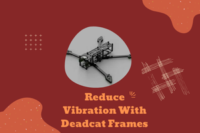
Camera Vibration Issues: Motor vibrations can affect image quality and make photos look blurry. A poorly fitted camera mount can make this problem worse. Pilots can reduce vibrations by securing the camera, balancing the propellers, and using a suitable vibration-damping mount. These steps help the camera capture clearer images.
Extra Mounting Work: Some H-frame drones need extra parts or adjustments to hold a camera correctly. Builders may need to fit a suitable mount and check that the camera has a clear view. They must also make sure the added equipment does not block the propellers or affect the drone’s balance.
Frame Shape Isn’t Everything: H-shaped frame does not guarantee better aerial photos. Image quality also depends on the camera, lens, lighting, flight stability, and pilot skills. For example, a well-balanced drone with a good camera can capture clear photos, while a poorly set up drone may produce blurry images even with the same frame design.
How to Choose H-Frame Drone for Aerial Photography
Choosing the right H-frame drone for aerial photography can help you capture clear photos and enjoy smoother flights. Before buying one, think about your camera, flight time, budget, and photography needs.
Check Camera Support: Make sure the drone can carry your chosen camera safely. Check its weight limit and confirm that the camera fits the drone’s design. For example, a small action camera may suit a lightweight drone, while a larger camera may need a stronger frame and motors.
Review Flight Time: Check how long the drone can fly with your camera attached. A heavier camera setup can use more power and reduce flight time. Choose a suitable battery for your planned shots. Longer flight time can help when photographing large farms, buildings, or wide landscapes.
Check Flight Stability: Look for a well-built frame, suitable motors, and reliable flight controls. These parts help the drone stay steady and respond to your commands. A stable drone can make it easier to capture clear photos, especially when you photograph buildings or large areas from above.
Choose Camera Mounting: Check how the camera attaches to the frame. A suitable mount should hold the camera firmly and keep its view clear. Some mounts also help reduce vibrations during flight. Make sure the frame does not block the camera when you take photos from different angles.
Check Total Weight: Consider the weight of the drone, camera, battery, mount, and other parts together. The complete setup must stay within the drone’s safe carrying limit. Too much weight can affect flight control, reduce battery life, and put extra strain on the motors.
Review Your Budget: Compare the cost of the drone, camera, batteries, camera mounts, and spare parts. Remember to include repair and maintenance costs. A beginner may get good results from a simple camera setup instead of spending more on equipment they do not need.
Follow Local Rules: Check the drone laws and flying restrictions that apply to your location before you fly. Some areas may require permission or may not allow drone flights. In India, check the official Digital Sky platform for applicable airspace restrictions and requirements. Always protect people’s privacy and choose a safe place to take photos.
Conclusion
H-frame drone can be a useful choice for aerial photography because it offers space for camera equipment and supports different camera setups. You can use it to capture photos of farms, buildings, landscapes, and construction sites. However, camera weight, flight time, and stability matter when choosing a drone. Select a suitable setup, check local flying rules, and plan your flights to capture clear aerial photos.