Drone Safety Made Easy with GPS Telemetry FPV
Published: 6 Dec 2025
Every pilot has felt that panic when the video feed breaks, the wind pushes the drone, or the terrain hides the quad. gps telemetry fpv removes that fear and makes long flights feel safe. You always see location, height, and home direction. It is like having a safety net that never gets in the way. You can push distance or climb higher, and still feel calm because the data is right there. The more you use gps telemetry fpv, the more you trust your flying and enjoy the freedom.
Why Pilots Feel Stress During Long Flights
When pilots fly far from themselves, stress comes from the simple fact that they can’t see the quad with their own eyes. They depend fully on the screen, the link, and the wind. The moment something changes, the brain starts to worry.
Video loss : When the feed breaks or freezes, your mind jumps to the worst case. You don’t know where the quad is, if it is moving, or if trees and hills are in the way. Even a two-second freeze can feel like ten.
Wind pushes the drone : Strong gusts move the quad off line without you noticing immediately. You feel the drift only when the camera angle shifts. It takes extra control, and it drains mental energy because you need to fight the wind all the time.
Hidden terrain and obstacles : Flying behind a ridge, tall trees, or a building adds risk. You lose visual reference. The quad may drop, hit something, or end up where you don’t expect. Unknown terrain makes the flight tense.
Fear of losing the quad : Nobody wants to walk through bushes or pay for new parts. The fear sits in your head the whole time. Even if the flight looks perfect, the thought is still there.
Mental pressure reduces enjoyment : Instead of enjoying the view and the freedom, you worry about signal, distance, and battery. Stress turns flying into a task. The fun fades, and every decision feels heavier.
What GPS Telemetry FPV Shows You in Real Time
The reason GPS telemetry FPV feels so helpful is simple. It keeps giving you clear information while you fly. You don’t guess where the quad is or how far it has gone. The numbers and icons tell the story right on the screen.
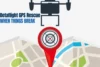
Location on map : A small dot shows exactly where the quad is flying. You can see rivers, hills, roads, and your takeoff point. Even if the video feed drops for a moment, you still know the last known position. That alone takes away a lot of stress.
Height above ground : You always see how high you are. This matters when flying near trees, buildings, or ridges. If the ground rises under you, the height reading warns you before you get too low. It keeps the quad clear of obstacles.
Direction to home : A simple arrow points the way back. You don’t need to remember which side you came from or rotate blindly. If you feel unsure, you follow the arrow until you see the home point on screen again. It makes returning easy.
Battery and speed : You know how fast you are moving and how much power is left. If the battery starts to drop faster because of wind or climbing, you see it instantly. You make smart choices early, instead of reacting when it’s too late.
How Live Data Helps You Avoid Panic
Live data on the screen keeps your mind calm because it removes doubt. The drone may be far away, or the video might flicker, but you still have the information you need to stay in control. That is where confidence comes from.
No guesswork when the feed drops : When the video stops for a second, many pilots freeze. But with GPS telemetry, you still see the drone’s position, distance, and height. Instead of imagining a crash, you follow the numbers and wait for the video to return. The panic never starts.
You always know where the drone is : Even at long range, you see a marker on the map. If the terrain hides the drone behind a hill or trees, the data is still visible. You know the exact direction and how far it has moved. Distance is no longer a scary mystery.
You see if the drone is drifting or being pushed : Wind can push a quad sideways without you noticing on the camera. Speed and direction readings show it right away. If the drone is sliding, you correct it early. This stops small problems from becoming big ones.
Safety Net Without Controlling the Flight
GPS telemetry feels like a safety net, but it never takes the joy of flying away. The drone is still yours to control. The data simply stands behind you, ready to help when things get uncertain.
It doesn’t fly for you : Many people think GPS means autopilot. That is not true. You still make every move, every turn, and every climb. The drone listens to your sticks, not a robot brain. You are still the pilot.
It supports you with information : When something feels risky, you look at the numbers and calm down. Location, heading, height, and battery help you understand what the drone is doing. Nothing is hidden. The information works like an extra set of eyes.
You stay in charge, but with a backup : The data is always there if you need it. If the wind picks up or the video goes dark, you have a safe path home. You never feel alone in the air. You get freedom with confidence, instead of flying scared.
Long Distance Flying Becomes Relaxed
Flying far from the takeoff point used to feel risky. You never knew if the drone could come back or if the signal would fail in the middle of the flight. Once pilots started using gps for fpv drone setups, long distance flying became more relaxed, because they always knew what was happening.
You can fly higher and farther : When the map, height, and direction are visible, distance stops being scary. You look at the screen and see exactly how far the drone has traveled. Climbing above trees or ridges feels safe, because you know the altitude at all times.
Confidence increases because you can return anytime : The home arrow and distance number give a clear path back. Even if the video feed flickers, you still know where to go. This makes every long flight feel safe, because return is never a guess.
Perfect for mountains, valleys, and coastlines : These places often block signals and confuse pilots. GPS telemetry shows the terrain on the map and keeps the home direction visible. Instead of worrying about losing the drone, you focus on the view and enjoy the flight.
Faster Decision Making in Bad Situations
Bad situations happen fast in the air. Wind can change, the battery can drop, and the signal can get weak. GPS telemetry helps you react early, before things go wrong.
Wind changes, low battery, weak signal : On the screen you see speed, direction, and power. If the drone starts drifting or the voltage falls, you notice right away. There is no surprise.
You see data and act early : The moment something looks risky, you take action. You turn back, climb, or reduce speed. Because you make decisions early, the situation never becomes scary.
Fewer crashes and failed rescues : When you fly with information, you avoid mistakes. The drone comes home safely more often. Rescue mode or return-to-home is used only when needed, not as a last chance.
Training the Mind to Trust the System
Confidence doesn’t come from one flight. It grows slowly as pilots learn to trust what they see on the screen. GPS telemetry becomes part of the mind, and flying starts to feel natural again.
Every flight builds confidence : Each time you look at the data and see it match reality, your trust grows. You fly a little farther, a little higher, and you feel less stress.
Data equals calm thinking : Numbers and arrows give clear answers. Instead of guessing or imagining problems, you look at the screen and stay calm. Your decisions become quick and clean.
Pilots stop flying scared : When fear fades, flying becomes fun again. You explore new lines, enjoy the view, and focus on the flight. The drone is no longer something you might lose. It becomes something you control with confidence.
Better Freedom, Better Creativity
When the brain stops worrying about distance or signal, flying becomes creative again. You think less about problems and more about the path, the view, and the camera.
No fear of exploring new lines : GPS data gives courage to try different routes. You dive, climb, loop around ridges, or follow rivers. You know the drone can always come back, so exploration feels natural, not risky.
More smooth flights, better footage : With no stress in your hands, the sticks feel lighter. Turns become cleaner, speed is more controlled, and the camera stays steady. The videos look smoother and more cinematic.
Pilot enjoys flying again : Instead of fighting fear, you enjoy every moment. Time passes fast, flights feel fun, and you get that original excitement back. Creativity comes from confidence, and the drone becomes a tool for joy, not worry.
Conclusion
GPS telemetry FPV transforms flying from stressful to confident. By giving real-time data on location, height, direction, and battery, it keeps pilots calm, safe, and in control. With this support, long flights feel manageable, decisions become faster, and pilots can fully enjoy exploring, capturing, and creating with their drones.