10 Benefits of Agricultural Drones for Better Farming
Published: 3 Nov 2026
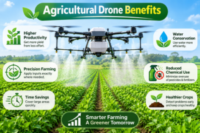
Want to save time, reduce costs, and grow healthier crops? The benefits of drones in agriculture can help farmers manage their fields with less effort. These flying tools can spray crops, monitor plant health, and spread seeds across large areas. They also help farmers spot problems early and use water and chemicals more efficiently. For example, a farmer can use a drone to identify dry areas in a field before crops begin to suffer. Let’s explore 10 benefits of using drones in agriculture and how they can make farming easier, faster, and more productive.
Saves Time and Labour
Time is valuable for every farmer. Managing large fields can take hours or even days when farmers check crops by hand. Agricultural drones make this work faster and easier. They cover large areas in less time and help farmers manage their daily tasks.
Cover large fields quickly: Drones can fly over large farms in minutes. Farmers can check crop conditions without walking across every part of the field.
Reduce manual work: Farmers do not need to spend hours checking every crop row. Drones can capture images and collect useful field information from above.
Make field inspections easier: Drones help farmers check hard-to-reach areas, uneven land, and large crop fields with less physical effort.
Free up time for other tasks: Farmers can use the time saved to plan irrigation, manage workers, check soil conditions, and take care of other farm activities.
Reduces Operating Costs
Running a farm involves many expenses, such as labour, fuel, seeds, water, and farming equipment. These costs can affect a farmer’s profits. Agricultural drones help farmers manage these resources more carefully. They also reduce some manual work and help avoid unnecessary spending.
Reduce labour expenses: Drones can inspect large fields and spray crops with less manual effort. Farmers may need fewer workers for some field tasks, which can help lower labour costs.
Save fuel and machinery costs: Farmers can use drones to check crops without driving tractors or other machines across the entire field. This can reduce fuel use and limit unnecessary machinery work.
Reduce waste of seeds, water, and chemicals: Some agricultural drones apply seeds and crop treatments to selected areas. This helps farmers use only the amount needed and avoid waste. Drone images can also help farmers find areas that need more water.
Offer long-term savings: Buying and maintaining a drone requires an initial investment. However, regular use can help farmers save money on certain field activities over time. The savings depend on farm size, drone type, and usage.
Monitors Crop Health in Real Time
Healthy crops are important for good farm production. But how can farmers check the health of thousands of plants across a large field? Agricultural drones make this task easier. They use cameras and special sensors to capture images of crops from above. These images help farmers find early signs of plant stress, disease, and other problems.
Detect early signs of crop stress: Drones capture clear images of large fields and help farmers spot changes in plant colour and growth. These changes may show that crops need water, nutrients, or extra care. Early checks help farmers take action before the problem spreads.
Identify hidden crop problems: Some agricultural drones use special cameras to collect information that human eyes cannot easily see. Multispectral cameras capture different types of light to show changes in plant health. Thermal cameras measure heat and help farmers find areas with possible water stress.
Track crop growth regularly: Farmers can fly drones over their fields at different stages of crop growth. They can compare images from different days or weeks to see how plants are developing. This helps them understand which areas need attention.
Support better crop care: Drone images help farmers find areas with poor growth, possible disease, or nutrient problems. They can then inspect those areas more closely and choose the right treatment. This reduces the need to check every plant by hand.
Detects Problems Early
Finding crop problems at the right time can help farmers protect their plants and avoid major losses. Agricultural drones make it easier to check large fields and spot unusual changes in crops. They capture images from above and help farmers find areas that need attention. This allows farmers to act early and keep their crops healthy.
Identify pests and diseases: Drones capture images of crops and help farmers spot unusual patterns, damaged plants, and changes in leaf colour. These signs may point to pest attacks or plant diseases. Farmers can inspect the affected areas and take action before the problem spreads.
Find weeds in crop fields: Weeds compete with crops for water, sunlight, and nutrients. Drone images can help farmers locate areas with unwanted plant growth. They can then remove weeds or apply suitable treatments to the affected spots.
Support quick action: Early detection helps farmers respond to crop problems without delay. They can apply the right treatment to affected areas instead of treating the entire field. This can reduce crop damage and avoid unnecessary use of chemicals.
Spot dry areas before crops suffer: Drones can help farmers identify parts of a field that show signs of water stress. Farmers can check these areas and improve irrigation before plants become badly damaged.
Improves Water and Irrigation Management
Water plays an important role in healthy crop growth. But giving too much or too little water can harm plants and affect farm production. Agricultural drones help farmers understand which parts of a field need more water. They use cameras and special sensors to collect information about crop conditions. This helps farmers plan irrigation and use water more carefully.
Identify areas with water stress: Drones use special cameras and sensors to capture information about crop conditions. They help farmers find areas where plants may not get enough water. Farmers can then check these spots and take action.
Find over-watered and under-watered areas: Drone images can show differences in crop growth and temperature across a field. These changes may point to areas receiving too much or too little water. Farmers can inspect these zones and adjust their irrigation systems.
Support better irrigation planning: Drone data helps farmers understand which parts of their fields need attention. They can use this information to plan watering schedules and direct water to areas that need it most.
Reduce water waste: Farmers can use drone information to avoid unnecessary watering. This helps them manage limited water supplies and reduce irrigation costs, especially during dry seasons.
Enables Precise Spraying of Pesticides and Fertilizers
Spraying pesticides and fertilizers across large fields can take a lot of time and effort. Traditional spraying methods may also waste chemicals in areas that do not need treatment. Agricultural drones make this task easier by spraying selected areas with better control. They help farmers apply crop treatments more carefully and reduce unnecessary chemical use.
Apply chemicals only where needed: Spraying drones can target specific areas of a field. Farmers can use them to apply pesticides or liquid fertilizers to crops that need treatment. This helps avoid spraying healthy areas unnecessarily.
Reduce chemical waste: Drones use controlled spraying systems to apply measured amounts of chemicals. This can reduce overuse and prevent some chemicals from reaching unwanted areas. Proper spraying also helps limit chemical runoff into nearby soil and water.
Protect farmworkers from direct exposure: Traditional spraying can expose workers to pesticides and other crop treatments. Spraying drones allow operators to control the equipment from a safe distance. This reduces direct contact with chemicals during spraying.
Cover large fields more easily: Agricultural spraying drones can fly over crop fields and spray selected areas in less time. They are useful for farms with large fields, uneven land, or areas that are difficult to reach with ground equipment.
Speeds Up Seeding and Planting
Planting seeds across large fields can take many hours or even days. Traditional planting methods often require more workers, time, and equipment. Agricultural drones make this task faster and easier. They use special seed-spreading systems to drop seeds across selected areas. This helps farmers cover large fields and reach places where traditional machines may struggle.
Spread seeds across large fields: Seed-spreading drones can cover large areas in less time. They release seeds while flying over the field. This helps farmers complete some planting tasks faster and reduces manual effort.
Reach difficult areas: Some farms have steep slopes, uneven land, or areas that are difficult to access with heavy machines. Drones can fly over these locations and spread seeds without moving large equipment across the land.
Support cover crop planting: Farmers can use drones to spread cover crop seeds between regular growing seasons. Cover crops help protect the soil, reduce erosion, and support soil health. Drones make it easier to spread these seeds across selected areas.
Support even seed distribution: Proper seed spacing helps plants grow with enough room to develop. Some agricultural drones use controlled seed-release systems to spread seeds across a field. Farmers must choose the right drone settings and seed amount to get good results.
Provides Data for Smarter Decisions
Making the right decisions at the right time is important for successful farming. Farmers need to understand crop conditions, soil needs, and field problems before taking action. Agricultural drones collect useful information from above the field. They use cameras and sensors to create images and maps that help farmers understand their land better. This information supports better planning and smarter farm management.
Create detailed field maps: Drones capture images of farmland from different heights and angles. These images help farmers create field maps and understand crop conditions across different areas. They can also identify sections that need extra care.
Support precision agriculture: Precision agriculture means using the right amount of water, seeds, and fertilizers in the right places. Drone data helps farmers understand which areas need more attention. This reduces unnecessary work and supports better use of farm resources.
Help estimate crop production: Farmers can use drone images to study plant growth and identify areas with healthy or poor crops. This information can support crop yield estimates. It also helps farmers prepare for storage, transport, and market planning.
Improve planting and harvesting plans: Drone images help farmers track crop growth at different stages. They can use this information to plan planting schedules, monitor crop development, and decide when certain areas are ready for harvesting.
Reaches Difficult Terrain Safely
Not every farm has flat and easy-to-reach land. Some fields have steep hills, wet soil, uneven surfaces, or narrow paths. Traditional farming machines may struggle to move through these areas. Agricultural drones offer a better way to inspect such fields from the air. They help farmers check difficult locations without walking across every part of the land or moving heavy machinery.
Cover hills and uneven land: Drones can fly over hills, slopes, and uneven fields with ease. They help farmers inspect crop conditions in places where tractors and other machines may not reach safely.
Reduce risks during field inspections: Walking through wet fields or steep areas can be difficult and risky. Drones allow farmers to inspect these locations from a safer position on the ground. This reduces the need for physical movement across difficult terrain.
Prevent soil compaction and crop damage: Heavy tractors and farming machines can press down on wet soil and damage growing crops. Drones fly above the field, so they do not put extra pressure on the soil or disturb plants during aerial inspections.
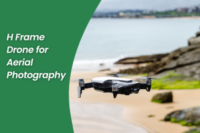
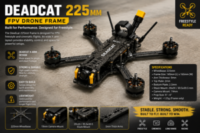
Improve flight stability: A stable drone can maintain a steady flight path during field inspections. Its frame design, motors, and flight control system help it handle normal wind changes. For example, an H Frame Drone for Stable Freestyle Flights shows how a balanced frame design supports stable movement in the air. However, agricultural drones need designs and features suited to their specific farming tasks.
Promotes Sustainable Farming
Sustainable farming means growing crops while protecting natural resources such as water, soil, and air. Farmers need better ways to manage their fields without wasting resources. Agricultural drones support this goal by helping farmers monitor crops, spray chemicals carefully, and manage water use. They also help farmers make better decisions that can support long-term farm productivity.
Reduce chemical use: Agricultural drones help farmers spray pesticides and fertilizers only in selected areas. This reduces unnecessary chemical use and helps limit the amount of chemicals that may reach nearby soil and water.
Save water resources: Drones help farmers identify areas that show signs of water stress. Farmers can use this information to plan irrigation and avoid watering areas that do not need extra water. This supports better water management, especially during dry seasons.
Reduce environmental impact: Targeted spraying and better resource management can help reduce chemical waste. Drones also allow farmers to inspect fields without driving heavy machinery across every area. This can help reduce some fuel use and prevent unnecessary soil disturbance.
Support better crop production: Regular crop monitoring helps farmers find problems early and take action at the right time. Better management of water, fertilizers, and crop treatments can support healthier plant growth and improve the use of available farmland.
Conclusion
Agricultural drones are changing the way farmers manage their fields. They save time, reduce costs, monitor crop health, and support better use of water and chemicals. Farmers should choose a drone that suits their needs, learn how to operate it, and follow local flying rules. By adopting drone technology, farmers can make smarter decisions and support more productive and sustainable farming.