Choosing the Best Camera Drone Frame for Sharp Shots
Published: 10 Jan 2026
Shaky videos and blurred aerial shots are a common headache for filmmakers. Without a solid frame, a drone struggles to hold its camera steady. A camera drone frame fixes this by providing stability and strength. It keeps the drone balanced, protects delicate parts, and reduces vibrations that ruin footage. With the right frame, you can fly confidently, capturing smooth, crisp shots for any project. Whether filming landscapes, sports, or events, a strong frame is essential. It solves stability problems and makes your drone ready for professional-quality aerial photography every time.
What is a Camera Drone Frame?
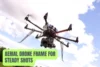
A camera drone frame is the main structure of a drone that holds all its parts together and ensures stable, smooth flights. It’s the foundation for capturing high-quality aerial footage.
Provides stability: A solid drone frame keeps the drone balanced, reducing shakes and vibrations during flight.
Protects components: It safeguards delicate parts like cameras, motors, and propellers from damage during landings or collisions.
Supports different cameras: A well-designed frame can carry heavy cameras or gimbals for professional filming.
Determines flight performance: The material and design of the frame affect weight, agility, and flight time.
How a Drone Frame Impacts Video Quality
The frame of a drone plays a critical role in the quality of your aerial footage. A strong, well-designed frame doesn’t just hold the drone together, it directly affects how smooth and professional your videos look.
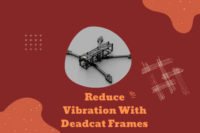
Stability: A sturdy drone frame absorbs motor and propeller vibrations. This keeps the camera steady, preventing shaky or blurred footage even during fast or windy flights.
Balance: Proper weight distribution allows smooth and natural movements. A balanced frame ensures that pans, tilts, and tracking shots are fluid and professional-looking.
Professional-quality shots: Using a cinematic drone frame enhances the overall video quality. It supports heavy cameras, improves flight control, and helps filmmakers capture crisp, cinematic footage every time.
Types of Drone Frames for Filmmaking
Choosing the right drone frame is crucial for filmmakers and photographers to get stable, high-quality shots. Different frames serve different purposes depending on your shooting needs:
Aerial photography drone frame: Perfect for capturing wide landscapes and expansive scenes, providing stability for sharp, clear photos from high altitudes.
Cinematic drone frame: Designed for smooth, flowing movements, this frame helps create artistic, film-quality shots without unwanted shakes.
Lightweight drone frame: Easy to carry and maneuver, it enhances flight time while maintaining balance and stability for steady footage.
Benefits of Using the Right Drone Frame
Using the right drone frame makes a big difference in filmmaking and aerial photography.
Protects delicate components and cameras: A strong frame shields sensitive parts from damage during takeoff, landing, or minor crashes.
Supports heavy filming equipment: Handles larger cameras and gear without compromising stability or flight performance.
Reduces shaky or blurred footage: Minimizes vibrations and wobbling, ensuring smooth, sharp video and images.
Consistent professional-quality shots: Helps maintain stable shots, so every frame looks polished and cinematic.
Choosing the Right Drone Frame for Your Needs
Selecting the right drone frame is essential to get the best results from your aerial filming. The right frame ensures stability, protects your equipment, and matches your shooting style.
Consider your filming style: Different frames suit different types of shots. For wide landscapes or aerial photography, choose frames designed for stability. For fast-paced action or cinematic storytelling, a frame that allows smooth, fluid movements is ideal.
Match frame type to drone size and camera weight: Make sure your frame can handle your drone’s size and the weight of your camera. A heavy camera on a small or weak frame can cause instability, vibrations, or even damage to your drone.
Balance between durability and weight: While a strong, durable frame protects your equipment, it can add extra weight and reduce flight time. Lightweight drone frames are a great option—they provide stability without making your drone cumbersome, allowing longer flights and easier maneuverability.
Real-Life Examples of Filming Improvements
Using the right drone frame can dramatically improve your filming results.
Smooth landscape shots with an aerial photography drone frame: Capturing wide scenic views becomes easier and sharper, as the frame keeps the camera stable even at high altitudes.
Fast-moving sports filmed using a cinematic drone frame: Action shots stay fluid and professional, with minimal shaking, allowing filmmakers to follow fast movements without losing clarity.
Long flights with a lightweight drone frame to reduce fatigue: Lighter frames make it easier to handle extended flights, increasing flight time and reducing strain on both the drone and the operator.
Conclusion
A camera drone frame is essential for stable, high-quality aerial footage. It protects delicate components, supports heavy equipment, and reduces shaky or blurred shots. Choosing the right frame, whether for aerial photography, cinematic shots, or lightweight maneuverability, ensures smooth, professional results. With the proper frame, filmmakers can capture crisp, polished videos confidently, making every flight more efficient and every shot more cinematic.